

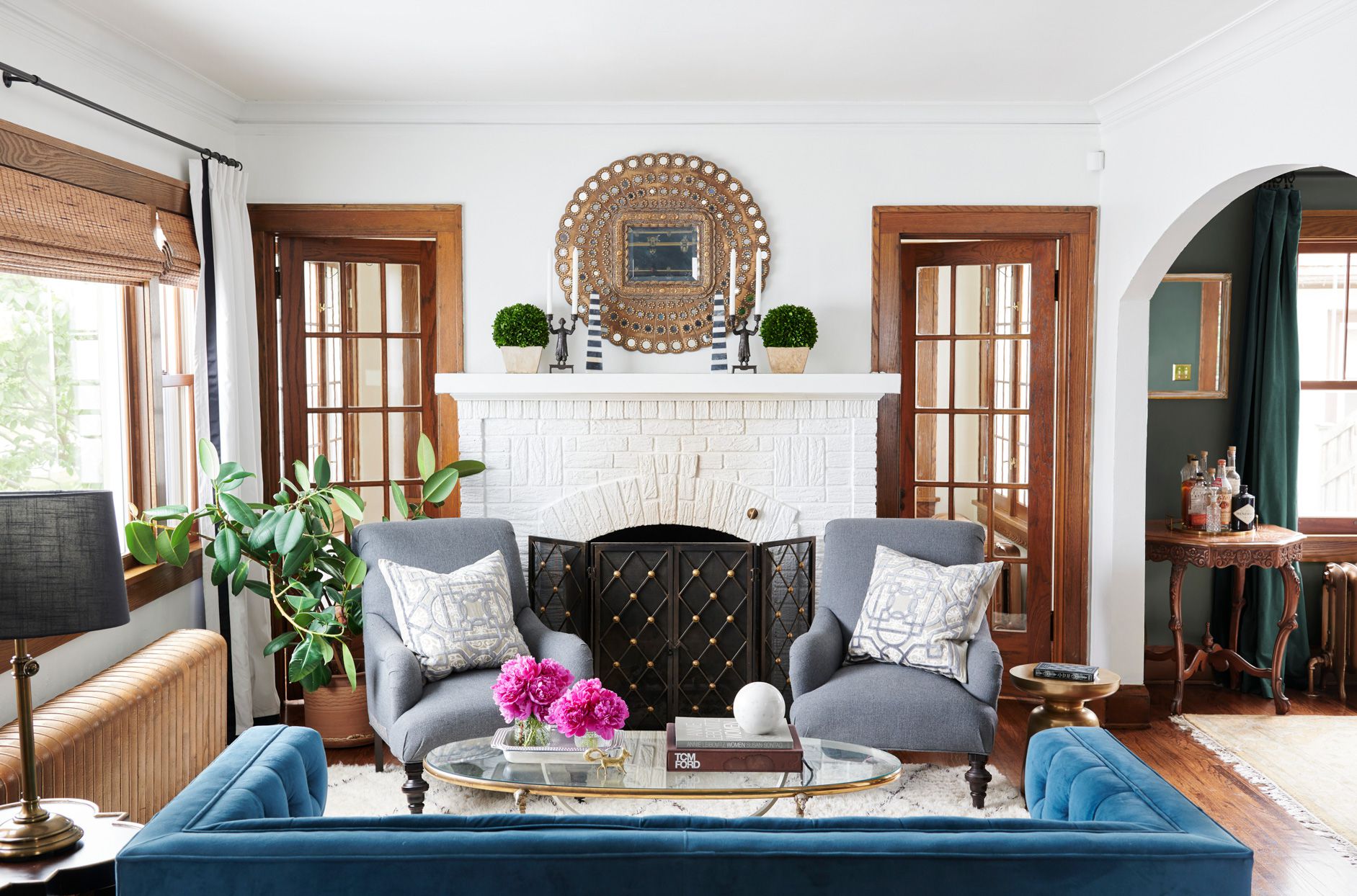
In the world of interior design, bigger doesn’t always mean better. Small spaces offer unique opportunities for creativity and innovation. Whether you’re living in a cozy apartment or trying to make the most of a compact room, there’s a wealth of possibilities to transform your small space into a stylish and functional haven. In this blog post, we’ll explore a variety of tips and tricks to help you maximize interior design in limited spaces.
1. Clever Storage Solutions: When space is at a premium, efficient storage becomes your best friend. Consider these storage ideas to keep your belongings organized and your space clutter-free:
- Vertical Storage: Utilize wall-mounted shelves, pegboards, and floating cabinets to take advantage of vertical space.
- Under-Furniture Storage: Opt for furniture pieces with built-in storage, such as ottomans with hidden compartments or beds with drawers underneath.
- Use Nooks and Crannies: Transform awkward corners or alcoves into functional storage spaces with custom shelves or cabinets.
2. Multi-Functional Furniture: Investing in furniture that serves multiple purposes is a game-changer for small spaces:
- Sofa Beds: A sofa that converts into a bed is ideal for accommodating overnight guests without sacrificing space.
- Foldable Tables and Chairs: Consider fold-out dining tables and collapsible chairs that can be tucked away when not in use.
- Wall-Mounted Desks: Create a workspace with a wall-mounted desk that can be folded up when you’re done.
3. Mirrors and Reflective Surfaces: Mirrors have a magical ability to create the illusion of space and amplify natural light:
- Strategically Placed Mirrors: Position mirrors opposite windows to reflect light and visually expand the room.
- Glass and Mirrored Furniture: Choose glass or mirrored surfaces for tables, cabinets, and other furniture to create a sense of openness.
4. Light and Bright Color Schemes: The right color palette can make a world of difference in a small space:
- Neutral Colors: Light and neutral shades, such as whites, creams, and soft grays, help open up the space and make it feel larger.
- Monochromatic Scheme: Stick to a single color family for walls, furniture, and accents to create a cohesive and spacious look.
5. Minimalist Approach: Less is often more when it comes to small spaces. Embrace a minimalist design philosophy:
- Declutter: Keep only essential items visible and store the rest.
- Streamlined Furniture: Opt for sleek and simple furniture designs to avoid visual clutter.
- Limited Decor: Choose a few impactful decor pieces instead of overcrowding surfaces with small decorations.
6. Open Shelving: Open shelves can lend an airy feel to a small space and showcase your belongings in an organized way:
- Kitchen Open Shelving: Display colorful dishes and cookware to add personality to your kitchen while saving cabinet space.
- Floating Shelves: Install floating shelves in living areas to hold books, plants, and decorative items.
7. Vertical Lines and Patterns: Incorporate vertical lines and patterns to draw the eye upward and create a sense of height:
- Vertical Stripes: Use vertical stripes in curtains, rugs, or wall coverings to elongate the room.
- Tall Furniture: Choose tall bookcases or cabinets to add height and draw attention away from the limited floor space.
In conclusion, designing a small space doesn’t mean sacrificing style or functionality. By utilizing clever storage solutions, embracing multi-functional furniture, and implementing visual tricks, you can create a space that feels larger, more organized, and filled with personality. Remember, it’s all about making the most of every square inch while maintaining a sense of comfort and style.