

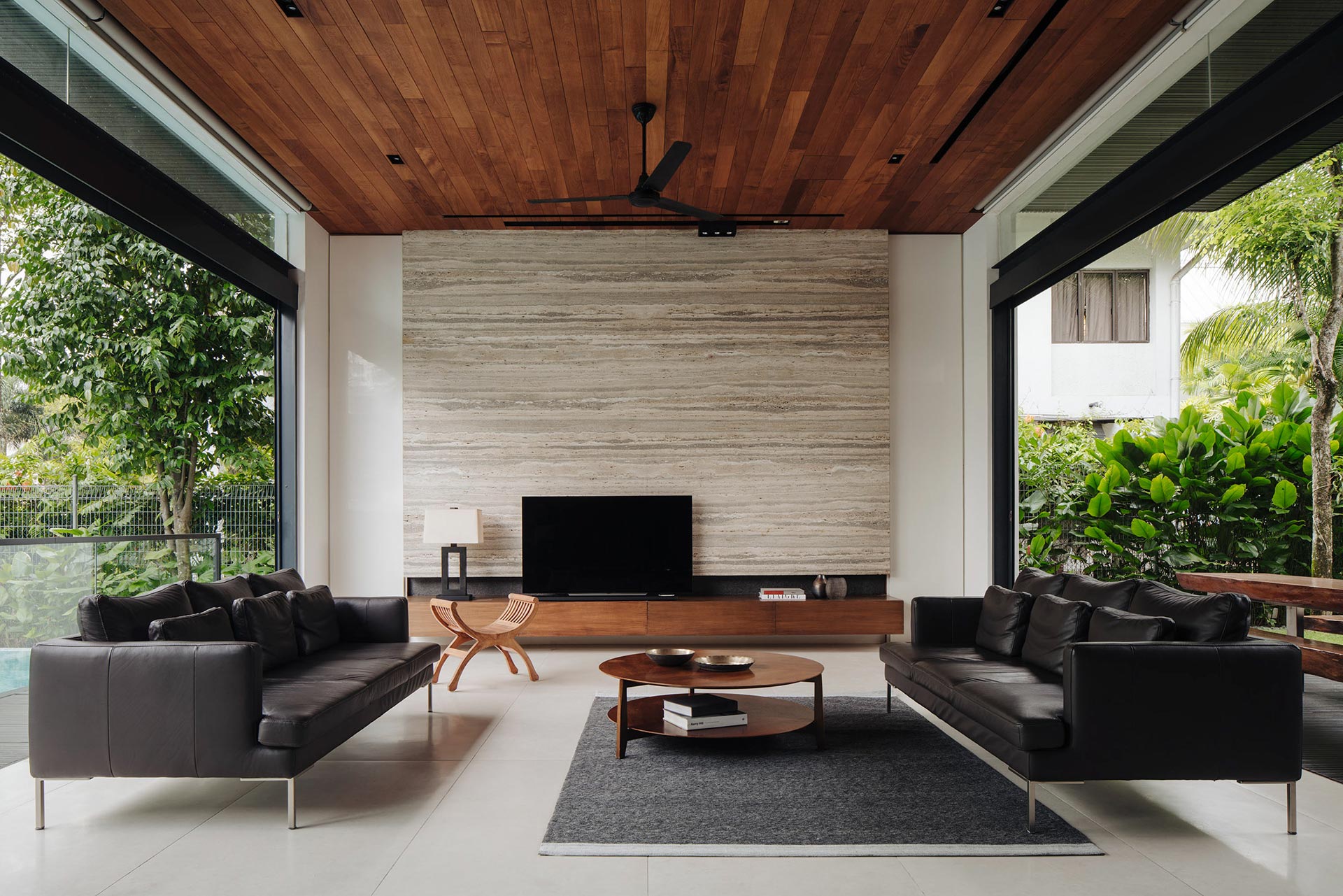
In the realm of interior design, the power of textures is often underestimated. While colors and furniture play vital roles, it’s the tactile and visual sensations of textures that can truly elevate a space from ordinary to extraordinary. From the warmth of wood to the coolness of metal and the softness of textiles, textures hold the key to creating a sensory-rich environment that engages both sight and touch. In this blog post, we will explore the significance of textures in interior design and how they contribute to depth, visual interest, and an overall harmonious atmosphere.
The Multisensory Experience:
Imagine walking into a room that feels not only visually appealing but also inviting to touch. Textures play a significant role in creating a multisensory experience that engages both our sense of sight and our tactile senses. A room adorned with a variety of textures offers a more immersive and enriching experience, making it more memorable and enjoyable for inhabitants and visitors alike.
Textiles and Soft Surfaces:
Textiles are perhaps the most immediately apparent textures in interior spaces. From plush rugs and sumptuous upholstery to cozy throw blankets, textiles add warmth, comfort, and softness to a room. Incorporating a mix of textures through textiles can create a balanced and harmonious ambiance.
Natural Materials:
The use of natural materials such as wood, stone, and bamboo brings an inherent sense of authenticity and grounding to a space. The rough, organic textures of these materials provide a visual link to the natural world, creating a tranquil and serene environment.
- Wood: Whether in the form of exposed beams, wooden furniture, or decorative accents, wood textures add a touch of warmth and rustic charm. Smooth polished wood surfaces contrast beautifully with rougher, more weathered finishes.
- Stone: Stone textures, whether in the form of exposed brick walls, stone fireplace surrounds, or stone-tiled floors, exude a sense of timeless elegance. They often provide a focal point and a sense of history to a room.
Metallic Accents:
Metallic textures such as brass, copper, and steel bring a touch of sophistication and modernity to interior spaces. These textures catch the light and create visual interest, adding a dynamic element to the overall design.
Layering and Contrast:
The art of texture lies in layering and contrast. Combining various textures within a space can create a dynamic interplay that captures attention. Mixing smooth and rough textures, soft and hard surfaces, and glossy and matte finishes adds depth and complexity to a room.
Creating a Balanced Palette:
Textures play a pivotal role in creating a balanced color palette. They can soften the impact of bold colors and prevent a space from feeling overwhelming. Similarly, textures can enliven a monochromatic room by introducing visual variety and intrigue.
Sensory Well-Being:
The tactile and visual sensations of textures contribute to our overall sense of well-being. Textures have the power to soothe, energize, or comfort us. Soft, plush textures in relaxation areas encourage coziness, while sleek, smooth textures in workspaces promote focus and productivity.
In conclusion, textures are the unsung heroes of interior design, capable of transforming spaces into havens of comfort and visual delight. By skillfully incorporating textiles, natural materials, metallic accents, and thoughtful contrasts, designers can create layered, nuanced environments that engage all our senses. The power of textures extends beyond aesthetics, touching on our emotions and enhancing our overall quality of life within a space